Panamedia | Digital Marketing Agency in Dubai


Panamedia | Digital Marketing Agency in Dubai
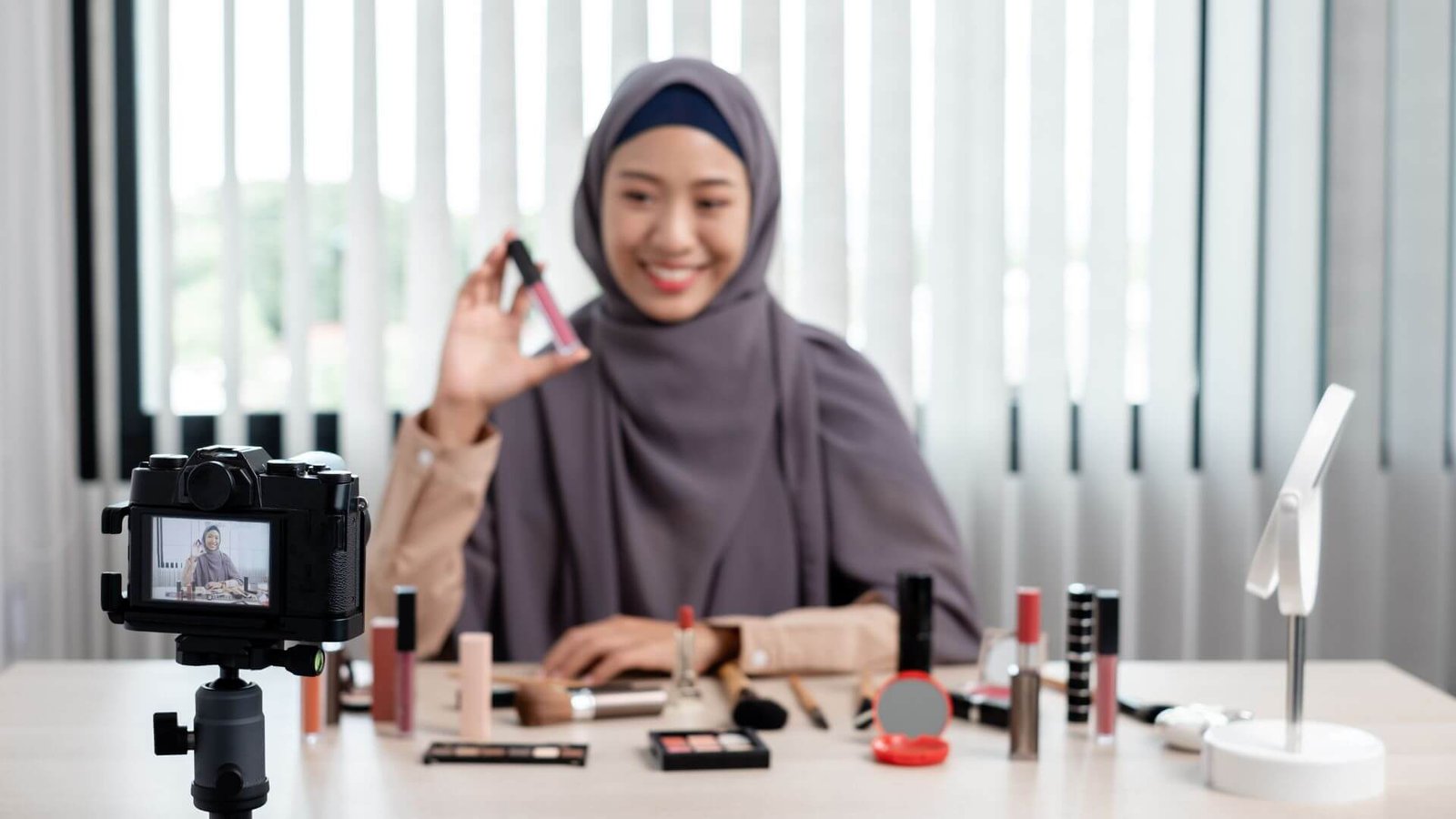
In the bustling digital landscape of the UAE, where Instagram feeds overflow with luxury lifestyles and viral trends, brands face a crowded arena to capture genuine attention. Enter micro-influencer marketing—the strategy harnessing creators with 10,000 to 100,000 followers who deliver sky-high engagement rates. Unlike mega-influencers, micro-influencers in the UAE build trust through niche authenticity, making them a key factor in driving engagement in UAE markets such as Dubai and Abu Dhabi.
This approach isn’t just a trend; it’s a proven powerhouse. A 2023 report by Influencer Marketing Hub found micro-influencers achieve up to 60% higher engagement rates than larger counterparts. For UAE brands, this means forming genuine connections with tech-savvy locals and expatriates. Ready to unlock it? Let’s dive in.
Micro-influencer marketing involves partnering with influencers who have smaller but hyper-engaged audiences. These creators focus on specific niches like sustainable fashion, fintech, or UAE wellness, fostering loyalty that translates to conversions.
In the UAE, micro-influencers typically boast 10k-100k followers, often rooted in local culture. Think Dubai-based foodies reviewing Emirati cuisine or Abu Dhabi fitness gurus promoting halal supplements. Their power? Authenticity over polish—followers see them as peers, not celebrities.
This makes micro-influencer marketing ideal for SMEs entering competitive sectors like e-commerce and tourism.
The UAE’s digital audience—over 99% internet penetration, with 10.5 million social users (We Are Social, 2024)—craves relatability. Mega-influencers often feel distant amid the glitz of Dubai Mall endorsements. Micro-influencers bridge that gap.
UAE consumers, blending conservative values with global tastes, trust recommendations from “everyday” voices. A Nielsen study shows 92% of Middle East consumers rely on peer reviews. Micro-influencers in the UAE deliver this through unfiltered stories, like a Sharjah mom sharing modest fashion hauls.
From Dubai’s luxury scene to Abu Dhabi’s oil-driven economy, micro-influencers adapt. Brands report 5.2x ROI via micro-partnerships (Traackr, 2024), outpacing traditional ads.
Metric | Micro-Influencers | Macro-Influencers |
Engagement Rate | 3-7% | 1-2% |
Cost per Post | $100-$500 | $1,000+ |
UAE Conversion Lift | 22% higher | Baseline |
Beyond engagement, micro-influencer marketing offers targeted reach in a multicultural hub.
UAE’s demographics—expats (88%), young millennials—demand precision. Partner with micro-influencers in beauty for Ramadan campaigns or tech for GITEX events.
User-generated content (UGC) from these collabs amplifies reach organically. UAE brands like Careem saw 40% loyalty spikes via micro-influencer rideshare stories.
Start small: A single Dubai influencer campaign can yield 10k+ impressions for under AED 2,000.
Success starts with the right picks. Focus on platforms like Instagram (UAE’s top, with 7.5M users) and TikTok.
Check out how to choose the right influencer in the UAE.
Launch with intent. Here’s how micro-influencer marketing shines in the UAE.
Respect UAE norms: Halal certifications, modest attire, Eid tie-ins. Example: A beauty brand’s micro-influencer marketing campaign with hijabi creators in Abu Dhabi drove 300% engagement.
Track with Google Analytics and platform insights:
No strategy is flawless.
AI tools for matching and long-term ambassadorships are rising. Expect TikTok Shops and AR filters to dominate Dubai influencer marketing by 2026.
Micro-influencer marketing stands as the key to engagement in the UAE, blending authenticity, affordability, and precision for standout results. Whether you’re a Dubai startup or Abu Dhabi enterprise, start small, measure big, and watch loyalty soar.
Ready to launch? Connect with Panamedia for expert micro-influencer UAE strategies.