Panamedia | Digital Marketing Agency in Dubai


Panamedia | Digital Marketing Agency in Dubai
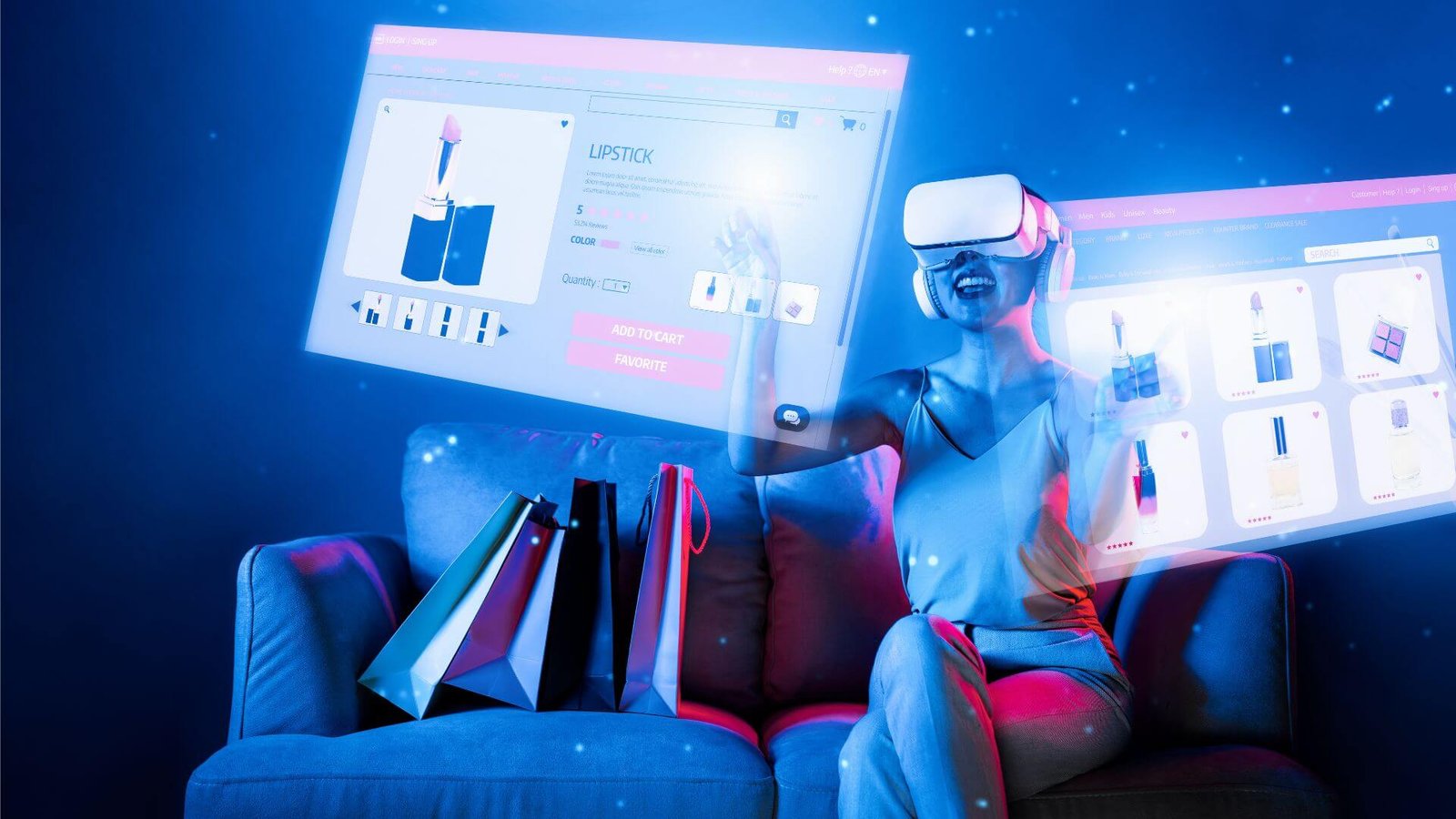
The way consumers interact with brands is changing rapidly. With the rise of immersive digital worlds, users are no longer simply scrolling through content; they are becoming immersed in it. Virtual Reality (VR), Augmented Reality (AR), and Web3 technologies provide brands the opportunity to create experiences rather than just messages.
In the UAE, where innovation is an integral part of the national identity, this transformation is accelerating. Government-backed digital transformation initiatives, a tech-savvy population, and increasing investment in virtual assets make the region a natural leader in this field. For marketers, this means rethinking traditional tactics and embracing interactive environments that resemble real-life encounters more than online advertisements.
The shift from traditional online marketing to immersive experiences (virtual stores, brand avatars, digital product trials) is redefining consumer expectations. UAE brands that adapt quickly are positioning themselves at the forefront of a major technological revolution.
The metaverse is becoming one of the Middle East’s fastest-growing digital sectors. The UAE metaverse market is projected to hit $317.8 million by 2025, growing at an annual rate of over 38%. This acceleration isn’t happening by chance—it’s backed by the country’s commitment to becoming a global digital powerhouse.
Dubai’s Metaverse Strategy aims to inject $4 billion into the national economy by 2030, with adapting to the metaverse and Web3 a priority for businesses, creators, and global brands entering the region.
For marketers, this means one thing: early adoption translates to long-term advantage. Brands that position themselves now—whether through online stores, NFTs, or immersive digital campaigns—will secure an initial market share in a sector that will only become more competitive.
Virtual shopping is one of the UAE’s biggest metaverse opportunities. Instead of browsing static product images, consumers can step into 3D digital showrooms, interact with items, and explore collections as if they were physically there.
Brands across fashion, real estate, automotive, and luxury goods are already experimenting with:
These immersive experiences help customers “feel” the product before buying it, which boosts their confidence and reduces their hesitation.
Brand avatars and gamified experiences are becoming powerful tools for engagement. Whether it’s a virtual brand representative welcoming users or an avatar guiding them through product setup, these interactions add personality and leave a lasting impression.
Interactive ads integrated into virtual worlds, such as Roblox, Decentraland, or Sandbox, stand out more than traditional display ads. The playful aspect helps maintain user engagement for longer, and brands benefit from a deeper, more emotional connection.
UAE brands are also turning to virtual spaces to host:
These events make it easier to reach large, global audiences without logistical barriers. For a region known for luxury, innovation, and spectacle, the metaverse offers endless creative freedom.
Influencers play a crucial role in driving traffic toward metaverse platforms. Through Instagram, TikTok, and Snapchat—channels already popular in the UAE—creators introduce audiences to virtual stores and experiences.
Short-form videos are especially effective. A quick walkthrough of a virtual store, a product demo within the metaverse, or a collaboration using AR effects can instantly spark curiosity and improve brand visibility.
Many brands are partnering with influencers to create:
This blend of creator marketing and metaverse storytelling boosts authenticity and reach.
You may also read: How to pick the right influencer in the UAE for your brand?
Metaverse environments give brands access to deeper insights than traditional analytics. Instead of just knowing what users click on, brands can observe:
This behavioral data enables the delivery of hyper-personalized offers and more precise product development. It represents a new generation of consumer insights, far richer than traditional web performance indicators.
For UAE brands, where personalized customer experiences are a growing expectation, metaverse analytics offer a powerful competitive advantage.
As interest in the metaverse grows, SEO becomes critical. Users are already searching for terms like:
Brands need to optimize their content, landing pages, and campaign materials with these emerging search terms to stay visible.
Beyond keywords, brands should also:
The earlier a brand invests in metaverse SEO, the more authority it will build as the space matures.
For businesses ready to step into metaverse marketing, here’s a practical roadmap:
Although the opportunities are huge, brands should be aware of a few challenges:
Addressing these early can save time, budget, and resources.
Metaverse marketing isn’t a passing trend—it’s a major shift in how brands connect with consumers. For UAE companies operating in one of the world’s most innovation-driven markets, this is a moment to lead, not follow.
By embracing immersive digital experiences, UAE brands can:
With the UAE’s aggressive push toward digital transformation and Web3 adoption, the metaverse is poised to become a significant pillar of marketing in the years to come. Brands that step in now will shape the next era of customer engagement in the region.
If you’re looking to explore virtual showrooms, metaverse campaigns, or immersive digital experiences, our team at Panamedia can help you take the next step with confidence. As a leading digital marketing agency in Dubai, we specialize in innovative strategies that help brands stand out in a fast-changing landscape.
Whether you want to build your first metaverse activation or enhance your digital presence across the UAE, we’re here to guide you with expertise, creativity, and results-driven solutions.
Contact us today and let’s start shaping your brand’s future.
Read our guide on the rise of privacy-first marketing and what it means for modern advertisers.