Panamedia | Digital Marketing Agency in Dubai


Panamedia | Digital Marketing Agency in Dubai
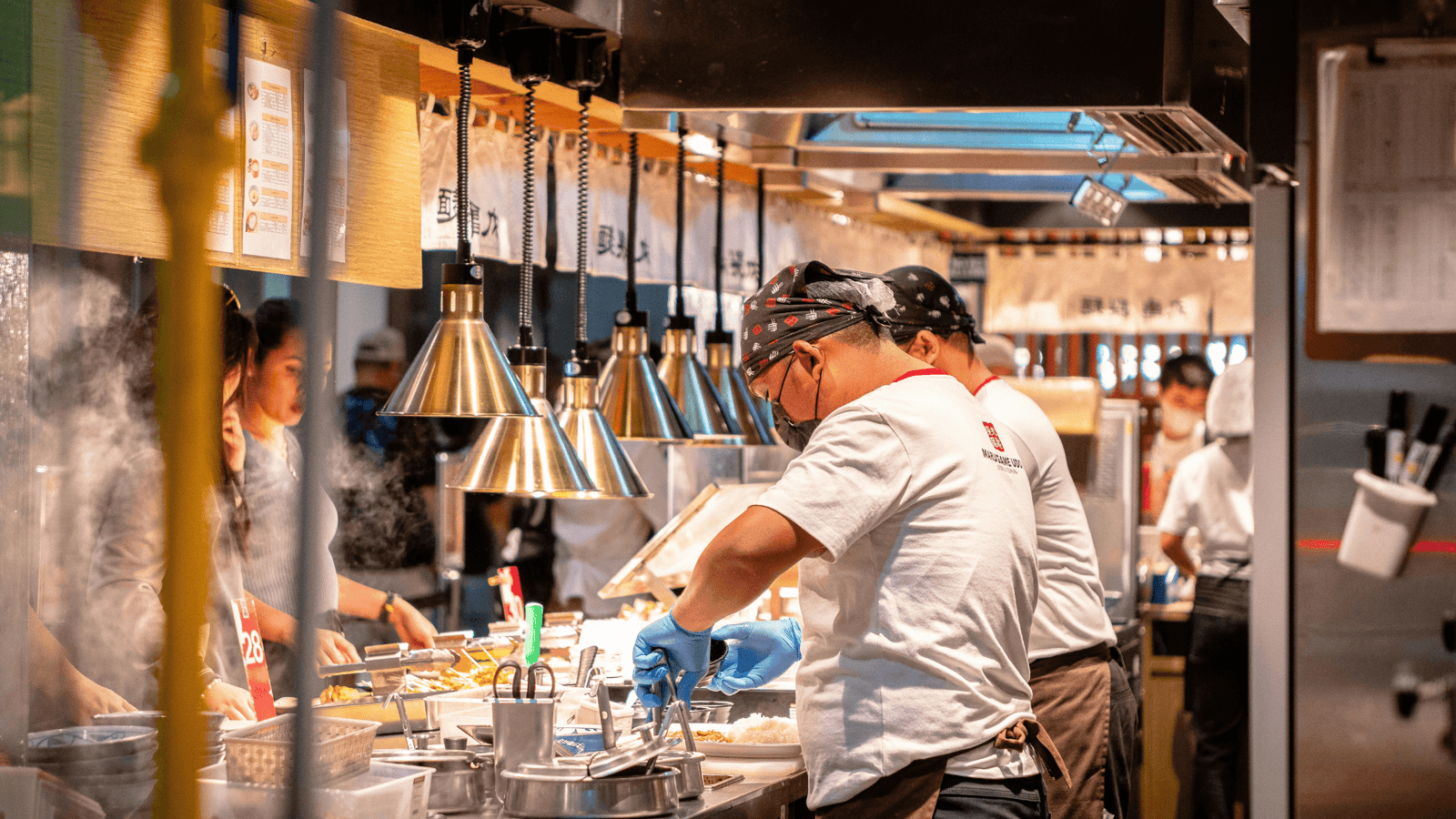
Quick answer: Right now, the restaurant marketing strategies actually driving covers in Dubai are Google Business Profile optimization (menus, photos, hours), short-form video shot by real diners rather than polished ads, delivery app visibility (Talabat, Deliveroo, Noon Food), WhatsApp for bookings and repeat customers, and a small number of well-chosen influencer visits rather than broad influencer spend. Traditional print ads and generic social boosting are largely wasted budget for restaurants in this market today.
Dubai’s restaurant scene is one of the most crowded and fastest-moving in the world; new openings, closures, and concept pivots happen constantly. What worked two years ago (heavy influencer dinners, boosted Instagram posts) doesn’t move the needle the way it used to. Here’s what’s actually working right now.
Most restaurants set up their Google profile once and forget it. That’s a mistake; it’s often the first thing a hungry customer sees before your website or Instagram. Keep your menu current, respond to every review, upload real photos regularly (not just launch-day shots), and post weekly updates about specials or events. A complete, active profile shows up more in “restaurants near me” searches, which is exactly the moment someone’s deciding where to eat tonight.
Polished, styled food shoots still have a place for a menu launch, but the content actually driving bookings right now is unscripted: a diner filming their table, a genuine reaction to a dish, a quick walkthrough of the space. This kind of content performs better because it reads as trustworthy rather than promotional, and it’s cheaper to produce than a full shoot. Encourage it directly: a small perk for tagging you, a QR code on the table linking to your page, or simply asking regulars if they’d share a video.
For a large share of Dubai diners, Talabat, Deliveroo, and Noon Food function as a search engine in their own right; people browse the app itself to decide where to order from. Your listing photos, description, and promoted placement within these apps matter as much as your own website does. If you haven’t reviewed how your restaurant actually looks inside these apps recently, that’s worth doing before spending more on outside advertising.
Many Dubai diners still prefer to message a restaurant directly rather than use a booking platform, especially for group reservations or special requests. A responsive WhatsApp Business number, plus an occasional broadcast to past guests about a new menu or event, keeps you top of mind without any ad spend. It also tends to bring back repeat customers more reliably than a generic email newsletter. Read more about our guide on WhatsApp marketing for UAE businesses.
The “invite 20 influencers, hope for reach” approach has largely stopped working; audiences are fatigued by obviously paid restaurant visits, and Instagram’s algorithm now favors authenticity signals over polish. What’s working instead is fewer, carefully chosen creators whose actual audience matches your restaurant’s concept and price point, given the freedom to film naturally rather than following a rigid brief.
Written content still matters, but it needs to match what people actually search — “best brunch in [neighborhood],” “restaurants near [landmark] open late,” “family-friendly restaurants in Dubai.” A dedicated page or blog post genuinely answering one of these specific queries tends to outperform a generic “About Our Restaurant” page, both for search rankings and for AI tools like Google AI Overviews or ChatGPT, which favor content that answers a specific question directly.
The common thread across everything that’s working right now is authenticity and being genuinely easy to find at the exact moment someone’s deciding where to eat, not polish for its own sake. That shift is worth building a deliberate strategy around rather than reacting post by post.
If you’d like help putting a plan together, managing your Google Business Profile, developing a content strategy, or running a more targeted influencer approach, our social media and content marketing teams regularly work with F&B brands across Dubai. Get in touch here, and we’ll take a look at what’s realistic for your restaurant.
Google Business Profile optimization, authentic short-form video from real diners, strong visibility on delivery apps like Talabat and Deliveroo, WhatsApp for direct bookings, and a small number of well-matched influencer partnerships are currently the most effective channels for Dubai restaurants.
Yes, but selectively. Inviting a large number of influencers for broad reach has become less effective as audiences grow more skeptical of obviously paid visits. Fewer creators whose audience genuinely matches the restaurant’s concept tend to perform better.
Yes, but it plays a supporting role next to Google Business Profile and delivery apps, which are often where diners actually make the decision. A website should have a current menu, clear location and hours, and easy links to booking and delivery options.